In Keeping with Tradition: Ramah Mustangs Build Relationships Across Generations
Some traditions are about celebrating a moment in time. Others celebrate the people, relationships, and shared values that make a community special. In Ramah, one long-standing Homecoming tradition brings together the youngest and oldest Mustangs in a celebration of school pride, friendship, and the power of leading by example.
Ramah is a close-knit community where families have lived for generations. Neighbors know one another, families show up for each other, and the connections between home, school, and community run deep. It is a place where one person's success is celebrated by many and caring for the next generation is a shared responsibility. That sense of belonging is especially evident during Ramah High School's annual Homecoming Assembly at Ramah Elementary School.
The tradition has been part of Homecoming Week for so long that, according to Ramah High School Principal David Gibbons, no one seems to remember exactly how it began. Yet year after year, it continues to bring students together for one of the most meaningful celebrations of the season.
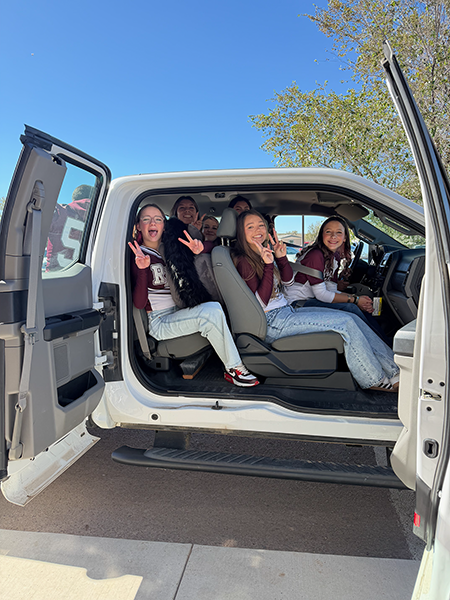
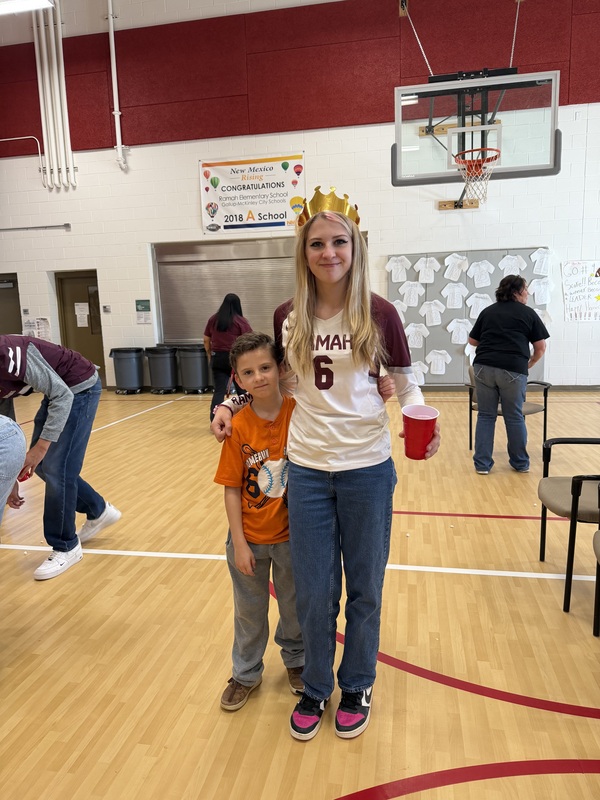
Each year, high school coaches, the athletic department, and school administrators select student-athletes and student leaders who demonstrate positive character and serve as role models for younger students. Football and volleyball players, cheerleaders, cross-country runners, and representatives from student organizations make the trip down the road to Ramah Elementary, where an enthusiastic welcome awaits them.
This year's assembly offered a wonderful glimpse into what makes the tradition so special. From the moment the high school students arrived, it was clear that the event was about much more than Homecoming.
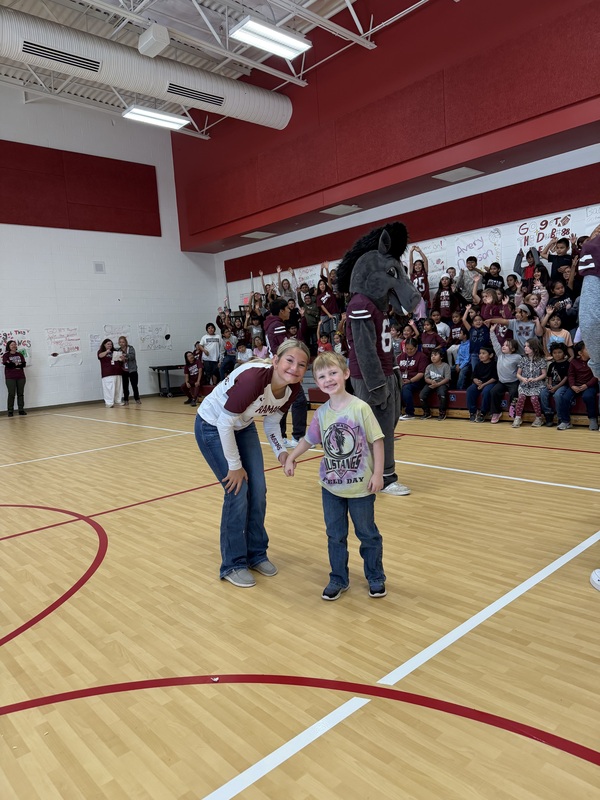
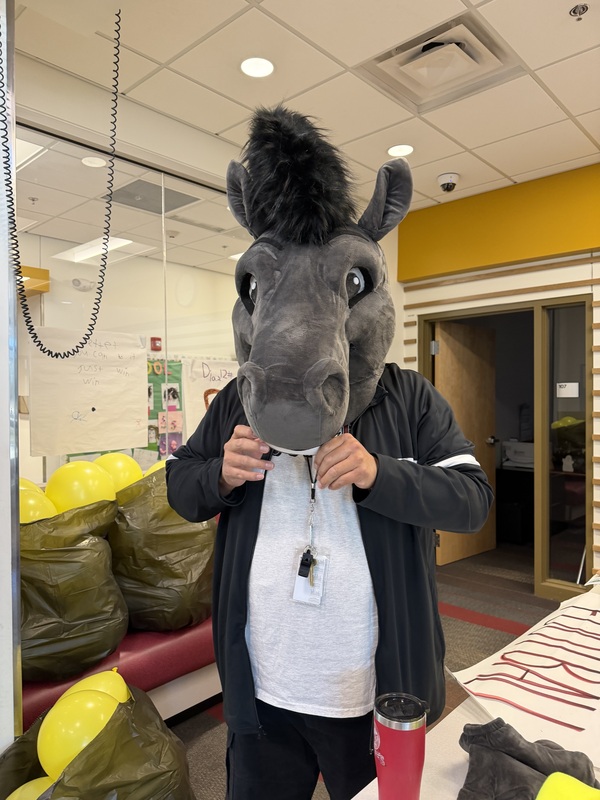
Cheerleaders, football players, volleyball players, other student-athletes, the BPA president, and even the school's mascot, the wonderfully entertaining Mustang Sally, were ready to get the festivities underway. Excitement filled the room. The high school students were the coolest kids in the building, and the adults were almost as giddy as the children.
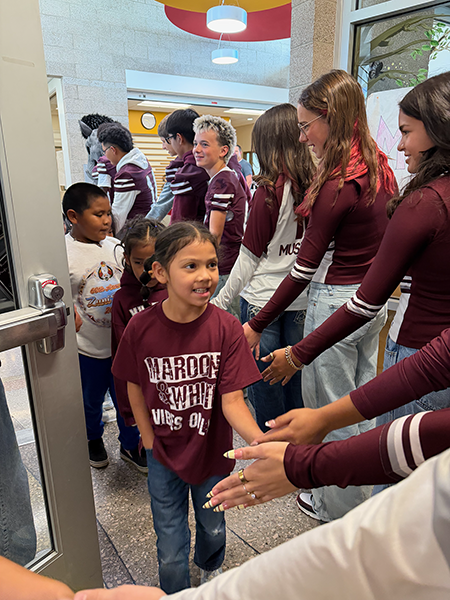
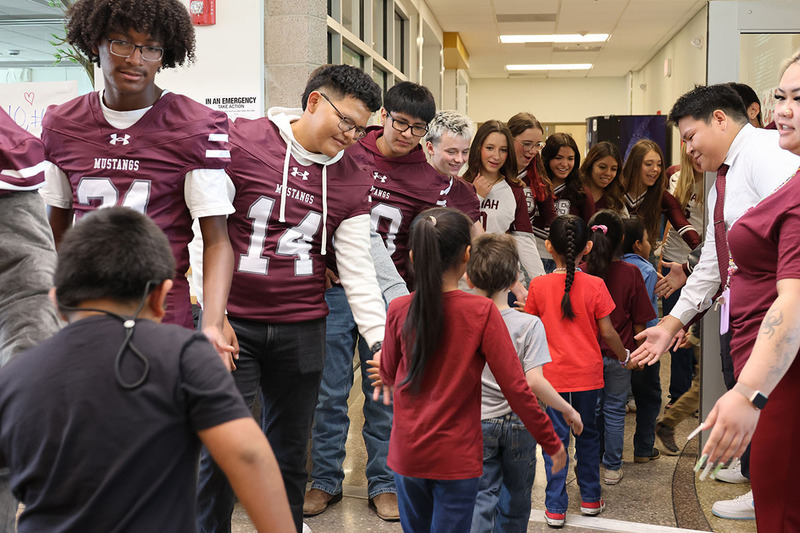
One class at a time, the elementary students made their way toward the gym, where their older counterparts stood ready to greet them. High-fives, fist bumps, hugs, and excited shouts of recognition filled the hallway. Some children called out the names of the older students they knew, while others greeted siblings, relatives, and familiar faces from around the community. In Ramah, these relationships often extend well beyond the classroom. The students may attend different schools, but they are part of the same community, and that connection was impossible to miss.
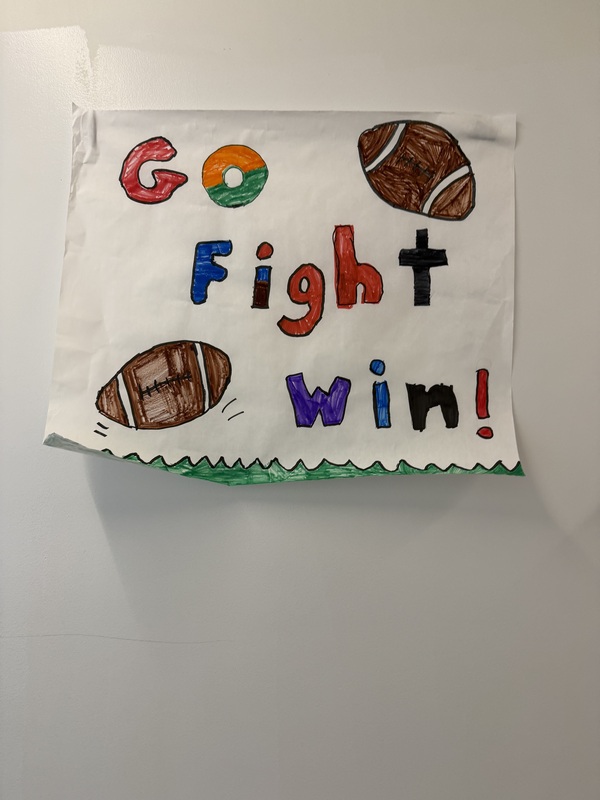
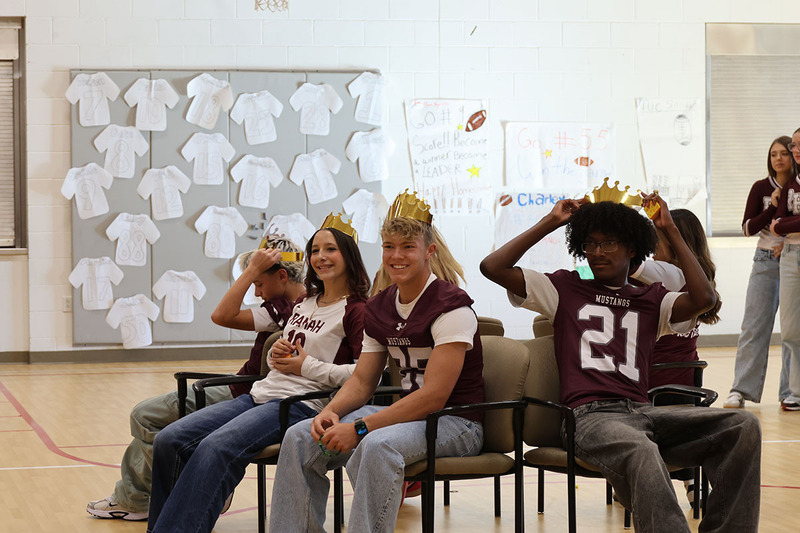
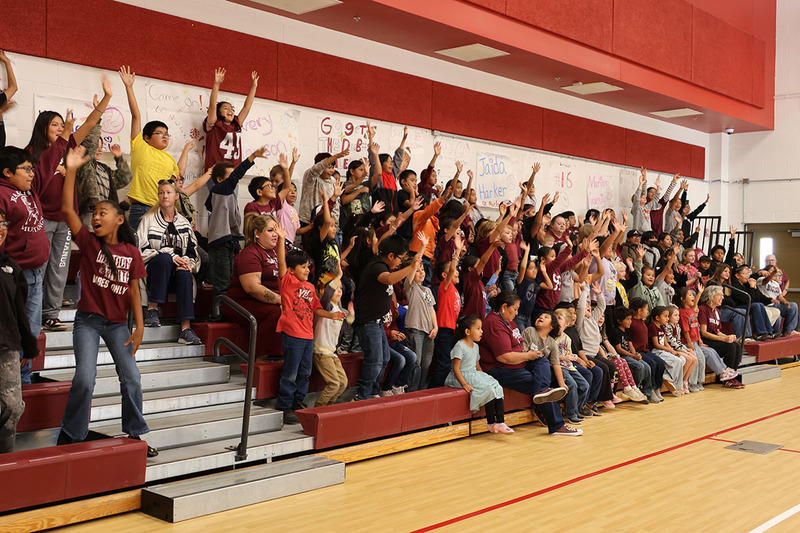
Inside the gym, the excitement continued. Elementary students had created posters featuring the names of the high school students, sometimes including their jersey numbers. The posters reflected the thought and effort that went into making the visitors feel special. Before the assembly began, teachers and organizers distributed bracelets, crowns, and other fun items among the younger students, building anticipation for the main event.
Then the high school students entered the gym, one at a time. The response was extraordinary. The elementary students erupted into cheers, screaming with the kind of enthusiasm usually reserved for celebrities and rock stars. In that moment, however, these high schoolers were the celebrities. To the younger Mustangs, they were familiar faces, older friends, siblings, and students they admired. They were people to look up to, and the children's excitement made that abundantly clear.
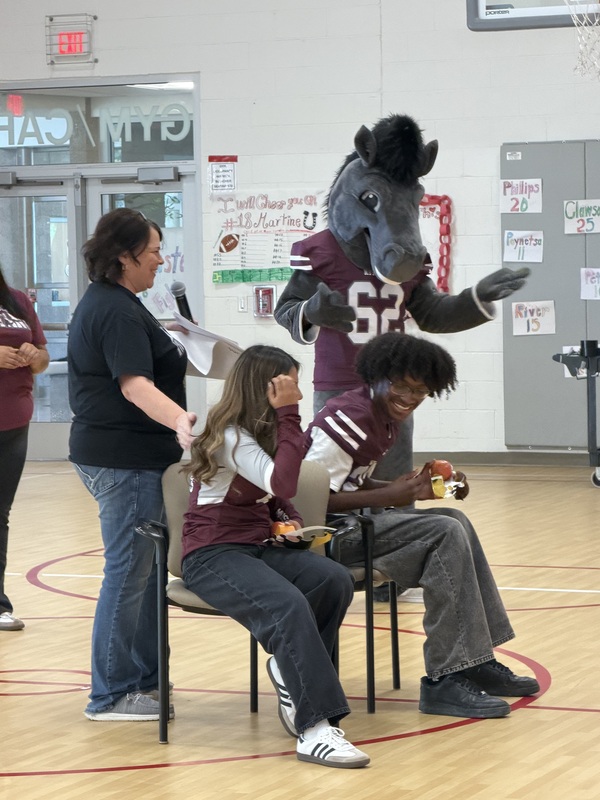
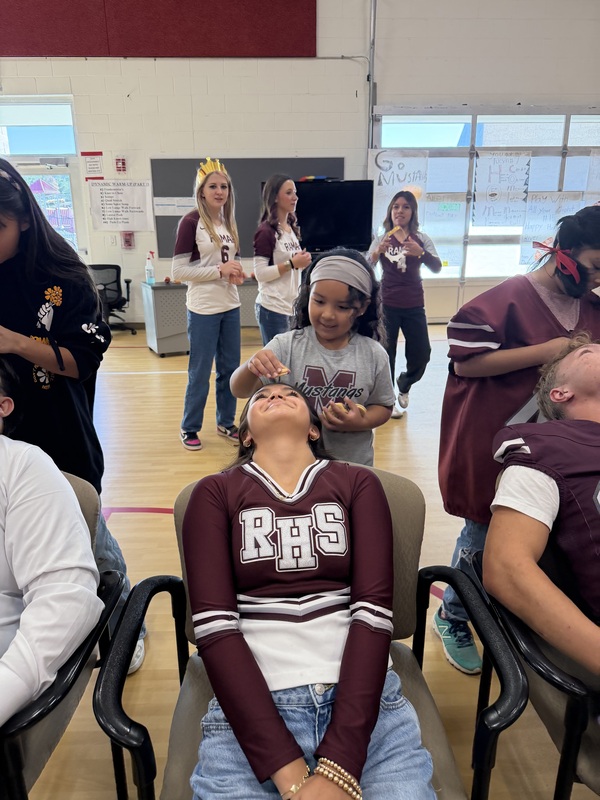
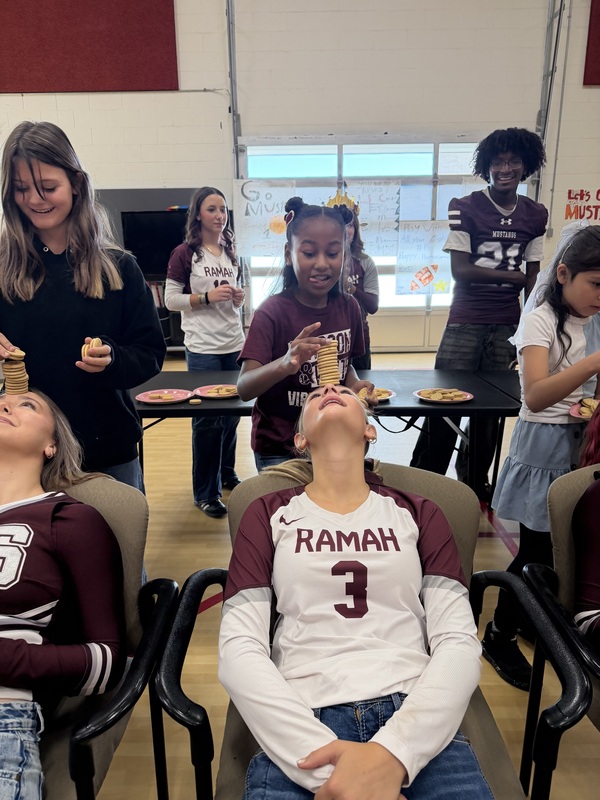
The games that followed brought even more laughter and energy to the gym. In one activity, high school students sat in a circle of chairs and raced to retrieve items, including bracelets and crowns, from the elementary students in the audience. With each round, a chair was removed until only one winner remained. Another game challenged the older students to balance cookies on their foreheads, while a balloon-popping relay required high school students to race to a chair, pop a balloon by sitting on it, and then help their younger partners do the same.
That last activity proved especially entertaining. The younger children often didn't weigh enough to pop their balloons on their own, leaving their older partners to lend a hand, or, more accurately, a little extra weight. The resulting teamwork and laughter perfectly captured the spirit of the day.
Although the activities were designed for fun, they also encouraged cooperation, trust, patience, and leadership. The older students weren't simply competing in games; they were working alongside their younger partners, encouraging them, helping them succeed, and making sure everyone had a good time. The elementary students, in turn, had the opportunity to interact with their high school role models in a setting where they could laugh, participate, and feel included.
Beyond the laughter and friendly competition, the assembly revealed a genuine sense of belonging. The relationships felt natural rather than forced. The older Mustangs were present, engaged, and invested in the younger students. It was a powerful example of what can happen when a school community intentionally creates opportunities for students to connect across grade levels.
Some of the assembly's most meaningful moments came when the games gave way to words of encouragement. One by one, the high school students introduced themselves and spoke directly to the elementary students about what had helped them succeed. Their advice was practical and consistent: maintain good grades, attend school regularly, keep a positive attitude, make good choices, and stay away from drugs and alcohol. Rather than hearing these lessons only from adults, the younger students heard them from teenagers they admired and hoped to emulate.
The message was simple but meaningful. Success takes effort, choices matter, and the habits students build today can help shape their futures.
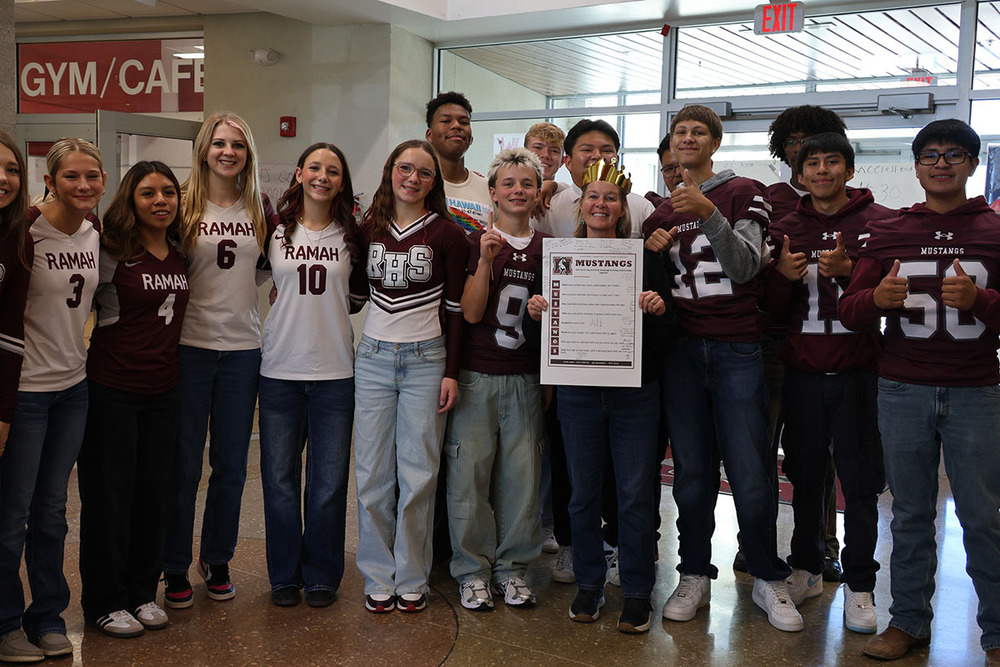
The high school students then paired with elementary classrooms to help the younger Mustangs complete pledge cards centered on the word MUSTANGS. At the top, the cards carried the message, “One herd, big and little. Mustangs build relationships together.” The pledges reinforced the values shared throughout the assembly, including making every day count and maintaining a positive attitude. The cards also reminded students to work hard, stay positive, be coachable, and stay calm.
The pledge cards offered something tangible for the younger students to take with them, but their message extended well beyond the paper. They represented a shared commitment between students at different stages of their educational journeys: to support one another, make good choices, and take pride in being Mustangs.
The visit also served as an invitation to attend the Homecoming game and cheer on the high school team. While that invitation is an important part of the tradition, the morning's purpose was clearly much bigger than filling the stands. It was about creating connections, strengthening school pride, and reminding students that they are part of something larger than themselves.
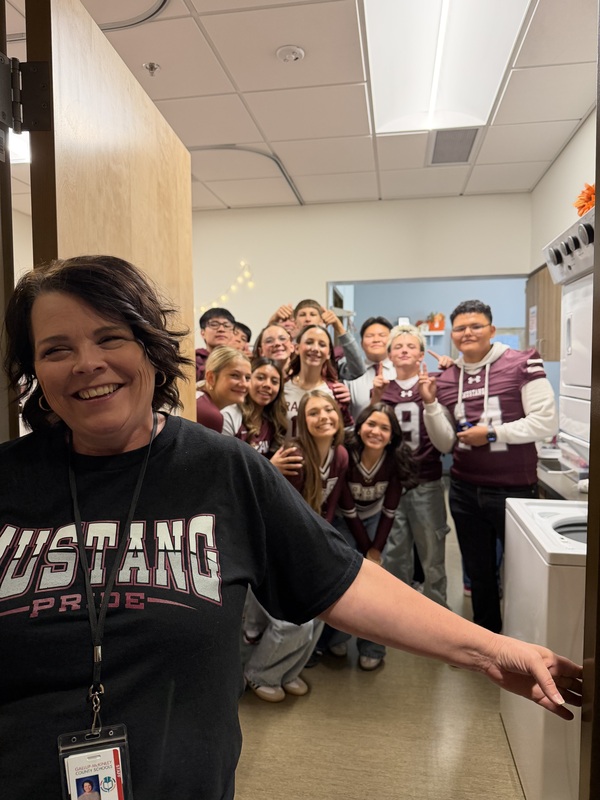
Following the assembly, conversations with organizers and principals David Gibbons and Michelle Tietjen offered additional insight into the tradition's significance. For Principal Tietjen, the occasion carried a particularly personal meaning.
Although this is her first year as principal at Ramah Elementary, her connection to the students and community began long before she stepped into that role. Before becoming principal, she served as a school dean at David Skeet Elementary in Vanderwagen, a neighboring community, and previously taught at Ramah Elementary. Many of the high school students participating in the assembly were once her kindergarten students.
As she reflected on the moment, her excitement was evident, and she became emotional. Watching students grow from little children into confident young adults who now serve as role models for the next generation is a special experience for any educator.
The high school students also had a surprise planned for Principal Tietjen. They signed a special pledge card just for her, with many expressing their gratitude for her past service to the community. It was a thoughtful gesture that brought the morning's message full circle. The students had come to encourage the younger Mustangs, but they also took time to recognize an educator who had helped shape their own lives.
The lasting commitment of Ramah's educators is evident beyond the assembly, too. At Ramah's graduations, educators continue to show up to celebrate students' milestones, often supporting young people and families across the surrounding communities. Principal Tietjen is among those who attend these important occasions, along with many other educators whose connections with students extend well beyond the classroom.
Their presence reflects a commitment that does not end when the school day is over or when students move on to the next grade. These are relationships built over time, through shared experiences and a genuine investment in young people's futures.
That commitment is part of what makes Ramah special. It is a community that takes care of its own, celebrates one another's accomplishments, and looks for ways to lift one another up. The Homecoming Assembly is a joyful expression of those values, but it is also a reminder of the everyday relationships that sustain them.
As Principal Gibbons explained, the tradition strengthens the connection between Ramah High School and Ramah Elementary School. It gives younger students an opportunity to meet the older students they admire while allowing high school students to serve as positive examples for those who will follow them. Year after year, the assembly builds pride, belonging, and a sense of responsibility to the community.
Perhaps that is why this tradition has endured for so many years, even if no one can remember exactly how it began. Its value is not found in how it started, but in what it continues to accomplish.
For one morning, the gym became a place where generations of Mustangs came together to laugh, compete, encourage, and celebrate. The high school students shared more than games and advice. The elementary students left with new memories, signed pledges, and a reminder that the people they admire are part of their community. One day, they may be the ones standing in front of the next generation.
In Ramah, Homecoming is about more than a game, and tradition is about more than repeating an event each year. It is about showing up for one another, creating lasting connections, and making sure every student knows they belong.
One herd, big and little. Mustangs building relationships together.
That is a tradition worth keeping.